The Art of Canning: Preserve Your Southern Heritage

Updated: Apr 28
Canning is more than just a method of food preservation; it is a cherished tradition that connects generations and preserves the flavors of the South. As the seasons change and harvests come in, the art of canning allows us to capture the essence of our gardens and local farms, ensuring that we can enjoy these tastes long after the last tomato has been picked. In this blog post, we will explore the history of canning, the essential techniques, and some delicious recipes that will help you preserve your Southern heritage.
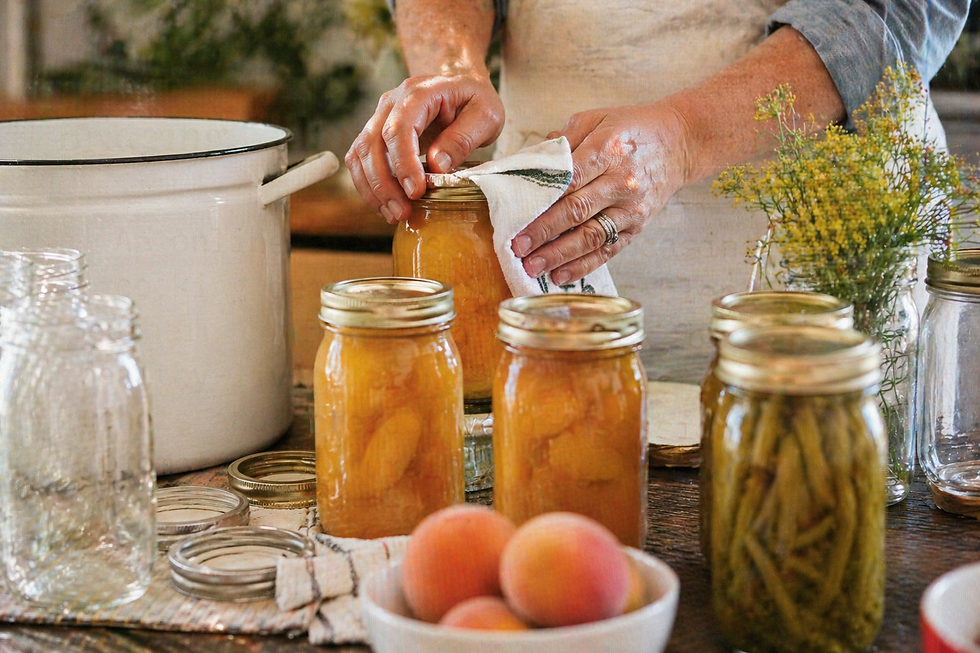
The History of Canning
Canning has a rich history that dates back to the early 19th century. The process was developed as a means to preserve food for soldiers during the Napoleonic Wars. In 1809, French chef Nicolas Appert discovered that food could be preserved by sealing it in jars and heating it to kill bacteria. This revolutionary technique laid the groundwork for modern canning.
In the Southern United States, canning became a vital practice, especially during the Great Depression and World War II. Families relied on canning to stretch their food supplies and make the most of their gardens. Today, canning is experiencing a resurgence as people seek to reconnect with their roots and embrace sustainable living.
Essential Canning Techniques
Before diving into recipes, it’s important to understand the basic techniques of canning. Here are the key steps to ensure your canning process is safe and effective:
1. Gather Your Supplies
To start canning, you will need:
Canning jars: Choose glass jars specifically designed for canning.
Lids and bands: Ensure they are new and free from rust.
Canning pot: A large pot with a lid for water bath canning.
Jar lifter: This tool helps you safely remove hot jars from boiling water.
Funnel: A wide-mouth funnel makes filling jars easier and cleaner.
Bubble remover: A flat tool to remove air bubbles from jars.
2. Prepare Your Ingredients
Select fresh, high-quality fruits or vegetables for canning. Wash them thoroughly and cut them into appropriate sizes. For example, when canning tomatoes, you may want to peel and chop them into quarters.
3. Sterilize Your Jars
Before filling your jars, sterilize them by placing them in boiling water for 10 minutes. This step is crucial to prevent contamination and ensure the longevity of your canned goods.
4. Fill the Jars
Using your funnel, fill the jars with your prepared ingredients, leaving the recommended headspace (usually about 1/2 inch) at the top. This space allows for expansion during processing.
5. Seal the Jars
Wipe the rims of the jars with a clean cloth to remove any residue. Place the lids on top and screw on the bands until they are fingertip-tight. Avoid over-tightening, as this can prevent proper sealing.
6. Process the Jars
Depending on what you are canning, you will either use a water bath or pressure canner. Water bath canning is suitable for high-acid foods like fruits and pickles, while pressure canning is necessary for low-acid foods like vegetables and meats.
7. Cool and Store
After processing, remove the jars from the canner and let them cool on a clean towel or cooling rack. Once cooled, check the seals by pressing down in the center of each lid. If it pops back, the jar did not seal properly and should be refrigerated and used soon.
Delicious Canning Recipes
Now that you are familiar with the canning process, let’s explore some traditional Southern recipes that you can preserve for later enjoyment.
Southern Peach Preserves
Ingredients:
4 cups fresh peaches, peeled and sliced
2 cups sugar
1/4 cup lemon juice
1/2 teaspoon cinnamon (optional)
Instructions:
In a large pot, combine the peaches, sugar, lemon juice, and cinnamon.
Cook over medium heat until the sugar dissolves and the mixture begins to boil.
Reduce heat and simmer for about 30 minutes, stirring frequently.
Pour the hot preserves into sterilized jars, leaving 1/4 inch headspace.
Process in a water bath for 10 minutes.
Spicy Pickled Green Tomatoes
Ingredients:
4 cups green tomatoes, quartered
2 cups vinegar (5% acidity)
1 cup water
1/4 cup salt
2 cloves garlic, peeled
1 teaspoon red pepper flakes
Instructions:
In a pot, combine vinegar, water, and salt. Bring to a boil.
Pack the quartered tomatoes into sterilized jars, adding garlic and red pepper flakes.
Pour the hot brine over the tomatoes, leaving 1/2 inch headspace.
Seal the jars and process in a water bath for 15 minutes.
Classic Strawberry Jam
Ingredients:
2 cups fresh strawberries, hulled and mashed
1 cup sugar
1 tablespoon lemon juice
1 package pectin (optional, for thicker jam)
Instructions:
In a large pot, combine strawberries, sugar, and lemon juice.
If using pectin, follow the package instructions for adding it to the mixture.
Bring to a boil and cook for about 10 minutes, stirring constantly.
Pour the hot jam into sterilized jars, leaving 1/4 inch headspace.
Process in a water bath for 5-10 minutes.
Tips for Successful Canning
Use fresh produce: The quality of your ingredients directly affects the taste and safety of your canned goods.
Follow recipes closely: Altering ingredients or proportions can lead to unsafe canning practices.
Label your jars: Include the date and contents on each jar to keep track of freshness.
Store in a cool, dark place: Proper storage extends the shelf life of your canned goods.
The Benefits of Canning
Canning not only preserves food but also offers several benefits:
Saves money: Canning allows you to take advantage of seasonal produce and reduce food waste.
Healthier options: You control the ingredients, avoiding preservatives and additives found in store-bought products.
Connection to heritage: Canning is a way to honor family traditions and pass down recipes through generations.
Conclusion
The art of canning is a beautiful way to preserve your Southern heritage and enjoy the flavors of the season all year round. By mastering the techniques and trying out delicious recipes, you can create a pantry filled with homemade goodness. So gather your supplies, roll up your sleeves, and start canning today. Your future self will thank you for the delicious jars of summer that await!


Comments